
Trademark Classes in India: List of All 45 Classes
Nice Classification · 45 classes · One application can cover several classes
India uses the Nice Classification, which groups goods and services into 45 trademark classes: classes 1 to 34 cover goods and classes 35 to 45 cover services. One Form TM-A can cover several classes, with the government fee charged per class (Section 18(2)), and the registration protects the mark only for the classes and goods or services listed. Choosing classes is a legal decision, because a mark filed in the wrong class gives no protection where you actually trade.
- Reviewed by
- Registered Trade Marks Agent
- Last updated
- Classes mapped to your business. Current products and services, plus the next likely extensions.
- Specification worded with care. Clear enough for the examiner, wide enough to be useful.
- Cross-class risks flagged. Related classes where a conflict could arise.
- Fees confirmed per class. Statutory fee for each class, before you file.
- Vashi, Navi MumbaiOur office, Sector 30A
- Since 2008Filing with IP India
- Objections handledReplies and hearings by a named professional
- International filingMadrid, PCT and direct filing
Trademark classes at a glance
- System
- Nice Classification, administered by WIPO, current edition as applied by the Registry
- Classes
- 45 in total: 1 to 34 for goods, 35 to 45 for services
- Multi-class filing
- One Form TM-A can cover several classes (Section 18(2))
- Government fee
- Charged for each class in the application
- Scope of protection
- The goods or services listed, and similar ones where confusion is likely
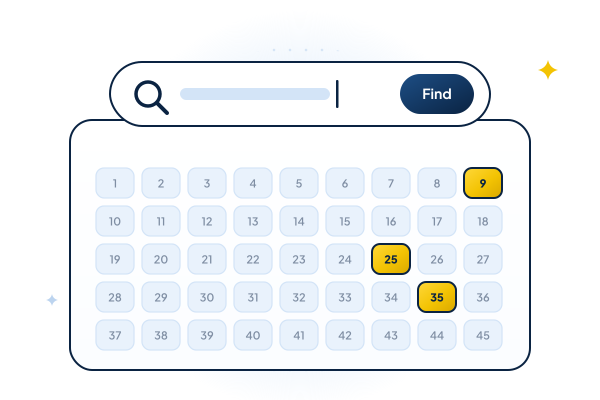
Not sure where your product fits? Try the free trademark class finder, then confirm with a registered agent before filing.
What are the 45 trademark classes?
Short descriptions of each class heading. The class headings are a guide; what matters is where your specific goods or services fall in the alphabetical list of the Nice Classification.
| Class | Covers |
|---|---|
| Class 1 · goods | Chemicals for industry, science and agriculture; fertilisers; industrial adhesives |
| Class 2 · goods | Paints, varnishes and lacquers; colourants; printing inks |
| Class 3 · goods | Cosmetics and non-medicated toiletries; perfumery; cleaning and polishing preparations |
| Class 4 · goods | Industrial oils and greases; lubricants; fuels; candles |
| Class 5 · goods | Pharmaceuticals; medical and veterinary preparations; dietary supplements; disinfectants |
| Class 6 · goods | Common metals and alloys; metal building materials; small metal hardware |
| Class 7 · goods | Machines and machine tools; motors and engines (except for land vehicles) |
| Class 8 · goods | Hand tools and implements; cutlery; razors |
| Class 9 · goods | Scientific and electrical apparatus; computers; downloadable software and apps; phones; eyewear |
| Class 10 · goods | Surgical, medical, dental and veterinary apparatus and instruments |
| Class 11 · goods | Apparatus for lighting, heating, cooling, cooking, ventilating and water supply |
| Class 12 · goods | Vehicles; apparatus for locomotion by land, air or water |
| Class 13 · goods | Firearms; ammunition; explosives; fireworks |
| Class 14 · goods | Precious metals; jewellery and precious stones; watches and clocks |
| Class 15 · goods | Musical instruments |
| Class 16 · goods | Paper and cardboard; printed matter; stationery; paper and plastic packaging materials |
| Class 17 · goods | Rubber and plastics in extruded form; packing and insulating materials; flexible non-metal pipes |
| Class 18 · goods | Leather goods; luggage and bags; wallets; umbrellas; saddlery |
| Class 19 · goods | Non-metallic building materials, such as cement, tiles and building glass |
| Class 20 · goods | Furniture; mirrors; picture frames; non-metal containers |
| Class 21 · goods | Household and kitchen utensils and containers; glassware and porcelain; cleaning tools |
| Class 22 · goods | Ropes, string, nets, tents and tarpaulins; sacks; raw textile fibres |
| Class 23 · goods | Yarns and threads for textile use |
| Class 24 · goods | Textiles; household linen; bed and table covers |
| Class 25 · goods | Clothing, footwear and headwear |
| Class 26 · goods | Lace, ribbons and braid; buttons and pins; artificial flowers; hair decorations |
| Class 27 · goods | Carpets, rugs and mats; non-textile wall and floor coverings |
| Class 28 · goods | Games and toys; sporting and gymnastic articles; festive decorations |
| Class 29 · goods | Meat, fish and poultry; preserved and cooked fruit and vegetables; eggs; milk and dairy products; edible oils |
| Class 30 · goods | Coffee and tea; rice and flour; bread and bakery; confectionery; spices and sauces; ice cream |
| Class 31 · goods | Raw agricultural products; fresh fruit and vegetables; seeds; live animals; animal feed |
| Class 32 · goods | Beer; non-alcoholic beverages; mineral waters; fruit juices and syrups |
| Class 33 · goods | Alcoholic beverages, except beer |
| Class 34 · goods | Tobacco and smokers’ articles; electronic cigarettes; matches |
| Class 35 · services | Advertising; business management and administration; retail and online store services |
| Class 36 · services | Financial, banking and insurance services; real estate services |
| Class 37 · services | Construction; installation, repair and maintenance services |
| Class 38 · services | Telecommunications services |
| Class 39 · services | Transport; packaging and storage of goods; travel arrangement |
| Class 40 · services | Treatment of materials; custom manufacturing for others; recycling |
| Class 41 · services | Education and training; entertainment; sporting and cultural activities |
| Class 42 · services | Scientific and technological services; software design and development; software as a service |
| Class 43 · services | Restaurants, cafés and catering; temporary accommodation such as hotels |
| Class 44 · services | Medical and veterinary services; beauty and hygiene care; agriculture and horticulture services |
| Class 45 · services | Legal services; security services; personal and social services |
How do you choose the right trademark class?
Classify the goods or services you sell, not your industry. A spice company sells goods in Class 30, but if it also runs a restaurant, that service is in Class 43; if it sells kitchen tools under the same brand, those are in Class 21.
Then think about how the business will grow. File for what you sell now and what you realistically expect to sell in the next few years. Adding a class later means a new application with a later filing date, and someone may file in that class in the meantime.
Three distinctions trip up many applicants:
- Goods versus the service of selling them. Your own clothing is Class 25. Class 35 covers retail and online store services, which matters when the brand names a shop or marketplace, especially one selling other brands.
- Software. Downloadable software and apps are Class 9. Software offered online as a service, and software development for others, are Class 42.
- Food. Processed meat, dairy and edible oils are Class 29; tea, coffee, flour, spices, bakery and confectionery are Class 30; fresh produce is Class 31; non-alcoholic drinks are Class 32.
Which classes do common businesses file in?
| Business | Usual classes | Why |
|---|---|---|
| Clothing brand | 25; often 35; sometimes 18 and 14 | Garments and footwear; online store; bags and accessories |
| Restaurant or cloud kitchen | 43; often 30 or 29 | Food service; packaged sauces, snacks or ready meals sold under the brand |
| Software or SaaS company | 9 and 42 | Downloadable apps; software as a service and development |
| Cosmetics brand | 3; sometimes 5 and 35 | Cosmetics and toiletries; medicated products; online store |
| Packaged food or spices | 30; often 29 or 31 | Spices, flour, snacks; dairy or oils; fresh produce |
| Pharmaceutical company | 5; sometimes 10 and 44 | Medicines; medical devices; clinical services |
| Coaching or education | 41; sometimes 9 and 16 | Training; apps and recorded courses; printed books |
| Real estate developer | 36 and 37 | Real estate services; construction |
These are starting points. The right classes depend on exactly what you sell and plan to sell.
Should you claim the whole class or list specific goods?
List what you actually sell or intend to sell, in clear terms from the Nice alphabetical list where possible. Claiming every item in a class can look attractive, but it widens the chance of a conflict with earlier marks, invites objections, and leaves unused items open to removal for non-use after five years (Section 47).
A specification that is too narrow has the opposite problem: it may not cover a product you add next year. The usual answer is a specification that covers your core goods or services precisely and adds the closely related items you are likely to need.
Trademark class FAQs
Can one trademark application cover more than one class?
Yes. Section 18(2) allows a single application for several classes, with the fee paid for each class. Filing separate applications per class is also common, because a problem in one class then does not hold up the others.
Can I add a class to my trademark after filing?
No. The specification can be narrowed but not widened after filing. A new class needs a new application, with its own filing date.
Does a registration in one class stop others using my mark in another class?
Not as a rule. Protection covers the registered goods or services and similar ones where confusion is likely. A mark with a reputation in India gets wider protection, but that has to be proved.
Which class is a mobile app in?
A downloadable app is in Class 9. If the app delivers a service, such as food delivery or payments, the service class (for example Class 39 or 36) is often needed as well, plus Class 42 for software as a service.
What happens if I file in the wrong class?
The registration will not protect the goods or services you actually sell. The Registry may raise the point in examination, but often the mistake surfaces only when you try to enforce the mark.
Does India follow the Nice Classification exactly?
Yes. The Trade Marks Registry classifies goods and services under the Nice Classification published by WIPO and applies its current edition. Some Indian goods and services need careful wording to fit its alphabetical list, which is where most classification questions arise.